
 We use Resene paint
- Plastering and painting
- Auckland based
- Written quotes
GIB Stopping and Plastering in Auckland
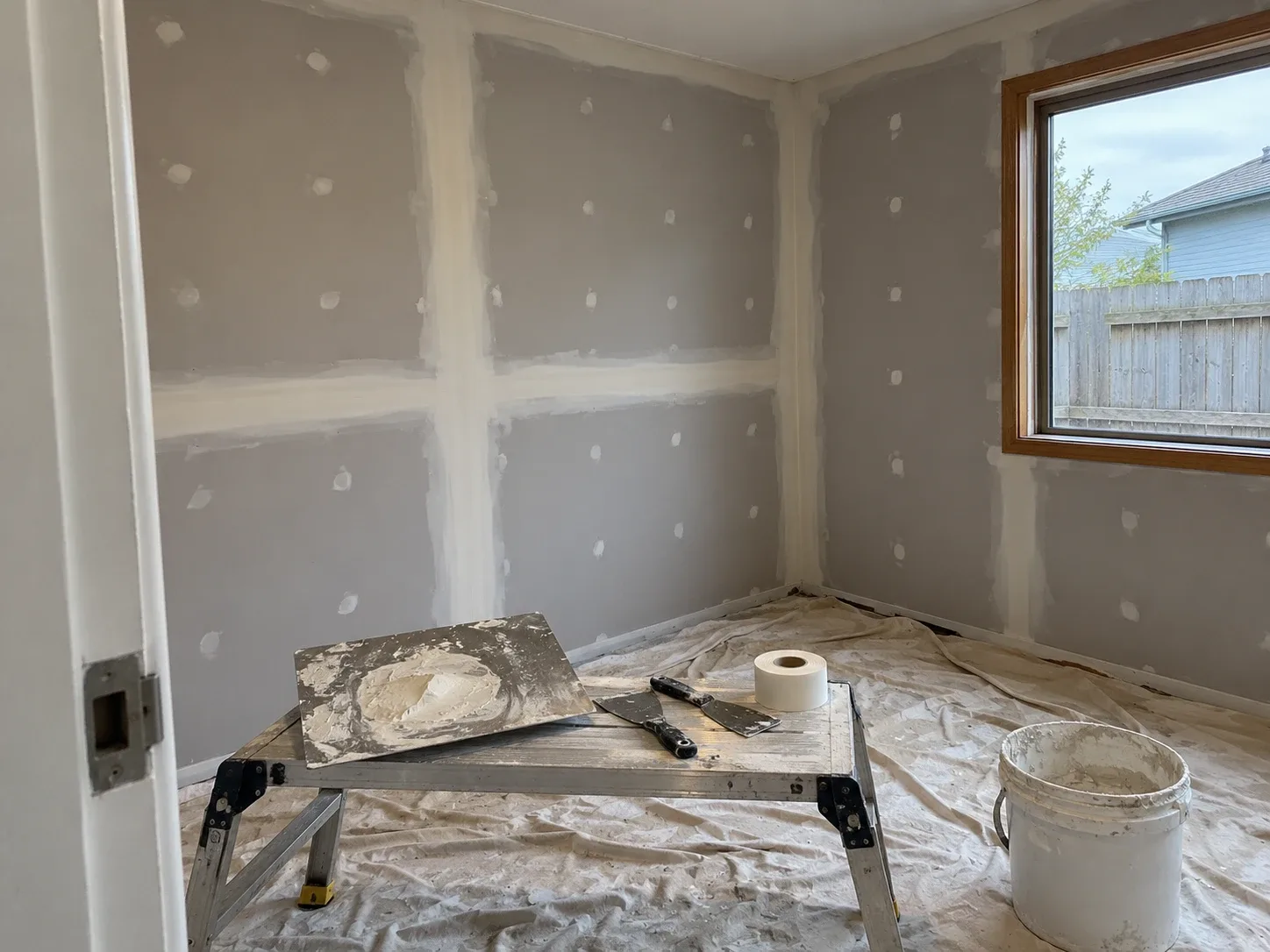
Yes, we do GIB stopping across Auckland. That means taping and plastering the joins, screw holes and corners on new plasterboard, then sanding it so walls and ceilings are smooth, flat and ready for paint. We do it for homeowners, builders and renovators.
GIB stopping is the part of a build nobody notices when it's done well, and everyone notices when it isn't. Bad stopping shows up as lines, bumps and shadows once the walls are painted, especially with light coming across them. And because we paint as well, we stop every wall knowing exactly how it's going to look when it's finished.
Get a written quote
Tell us about the job and we'll arrange a time to have a look.
- We paint with Resene, made in NZ for our weather
- Plastering and paintingOne company from bare GIB to the final coat
- Auckland basedLocal crew working across Auckland
- Written quotesItemised, so you can see what you're paying for
- Tidy, protected siteFloors and furniture covered, cleaned up every day
What's included
Our gib stopping & plastering service
- Taping and stopping joinsPaper or mesh tape bedded in, then built up and feathered out so the join disappears.
- Screw holes and fixingsEvery fixing filled and sanded flush with the board.
- Internal and external cornersStraight, crisp corners using the right beads and tape for each spot.
- CeilingsFlat, even ceilings, where poor stopping shows up most.
- SandingSanded smooth with dust kept under control as much as possible.
- Ready for paintHanded over ready for sealer, or we paint it for you too.
Levels of finish, explained simply
In New Zealand, plasterboard finishing is described by levels of finish set out in the joint Australian and New Zealand standard AS/NZS 2589. The higher the level, the more work goes into the surface, and the smoother it looks under light.
Level 4 is the usual finish for most walls and ceilings in homes. It suits low-sheen and flat paints and normal lighting. Level 5 goes further, with a skim over the whole surface, and is used where light hits walls or ceilings at a low angle, like long hallways, big windows or downlights close to the wall. It also suits glossier paints, which show more. We'll tell you which level makes sense for each area, and why.
For builders and renovators
If you're a builder or renovator, you want a stopper who turns up when they say, works around the other trades and leaves a finish you don't have to apologise for. We'll check the board fixing before we start and flag anything that will cause problems later, like poorly fixed sheets or joints in the wrong place.
Because we also paint, you can hand over the whole finishing stage to one company. That means one point of contact and nobody blaming the stopper for the paint, or the painter for the stopping.
For homeowners doing a renovation
If you're renovating a room, adding an extension or replacing old linings with new GIB, we can stop and paint it all. We'll talk you through what happens, how long the plaster needs to dry, and when the room will be ready to use again.
Pricing
What affects the cost of gib stopping & plastering
Every job is different, so we price each one after seeing it. These are the things that make the biggest difference.
- Area of boardThe total square metres of walls and ceilings to stop.
- Level of finishLevel 5 takes more time and material than Level 4.
- Ceiling height and accessHigh or raked ceilings and stairwells need extra gear.
- Number of corners and openingsLots of windows, doors and angles mean more detailed work.
- Quality of the board fixingPoorly fixed sheets need fixing before they can be stopped well.
- Painting as wellAdding painting means one company handles the whole finish.
Our process
How the job runs
- 1
Site visit or plans
We look at the site or your plans and check the board fixing.
- 2
Written quote
An itemised quote with the level of finish for each area.
- 3
Tape and base coat
Joints taped, corners beaded and the first coat applied.
- 4
Second and finishing coats
Built up and feathered wide, with drying time between coats.
- 5
Sand and check
Sanded smooth and checked under a work light for any flaws.
- 6
Seal and paint, if you want
We can seal and paint straight after, with no gap between trades.
How long does it take?
GIB stopping is done in coats, and each coat has to dry before the next one goes on. Drying is slower in cold or humid weather, which Auckland has plenty of, so we plan the job around that rather than rushing it.
Your quote will include how long we expect the job to take and when we'll need access. On building sites, we'll fit in with your programme and the other trades.
Where we work
GIB Stopping & Plastering across Auckland
We cover the whole Auckland region. See what we know about the homes in your area.
Questions
GIB Stopping & Plastering FAQs
What's the difference between GIB stopping and plastering?
In NZ the words are often used for the same job. GIB stopping means finishing the joins and fixings on plasterboard. Plastering can also mean skimming a whole wall or repairing older solid plaster.
What level of finish do I need?
Level 4 suits most walls and ceilings in homes. Level 5 is for areas where light hits the surface at a low angle or where you're using a glossier paint. We'll recommend the right level for each area.
Do you work for builders as well as homeowners?
Yes. We stop new builds, extensions and renovations, and we can paint them too so the whole finishing stage is handled by one company.
Why can I see lines on my walls after painting?
Usually it's joints that weren't stopped or sanded well, or a level of finish too low for the lighting. We can fix it by re-stopping the problem areas or skimming the wall.
Helpful guides
More services
Other ways we can help
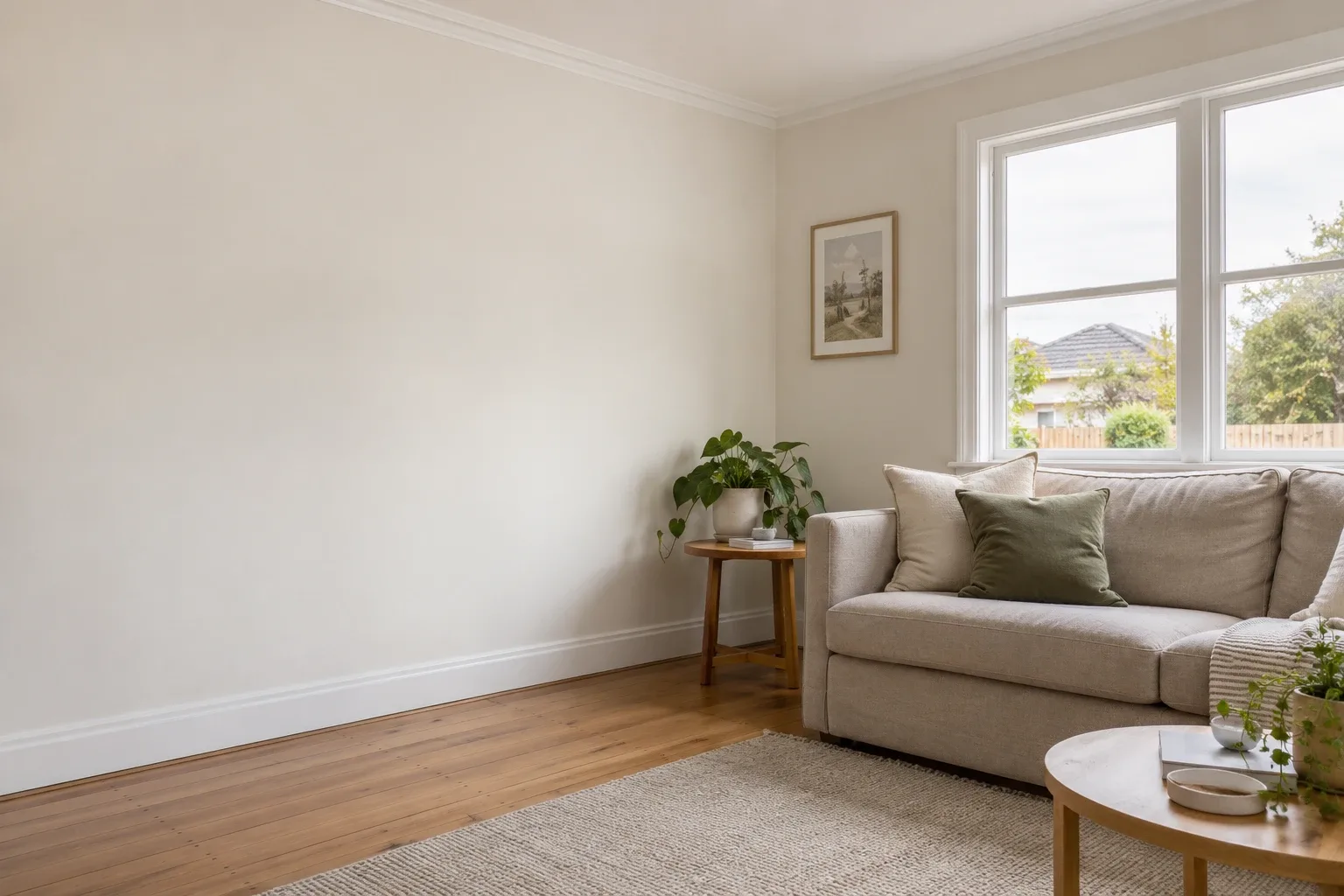
Interior Painting
Walls, ceilings, doors and trims, with the patching and prep done first.
Learn more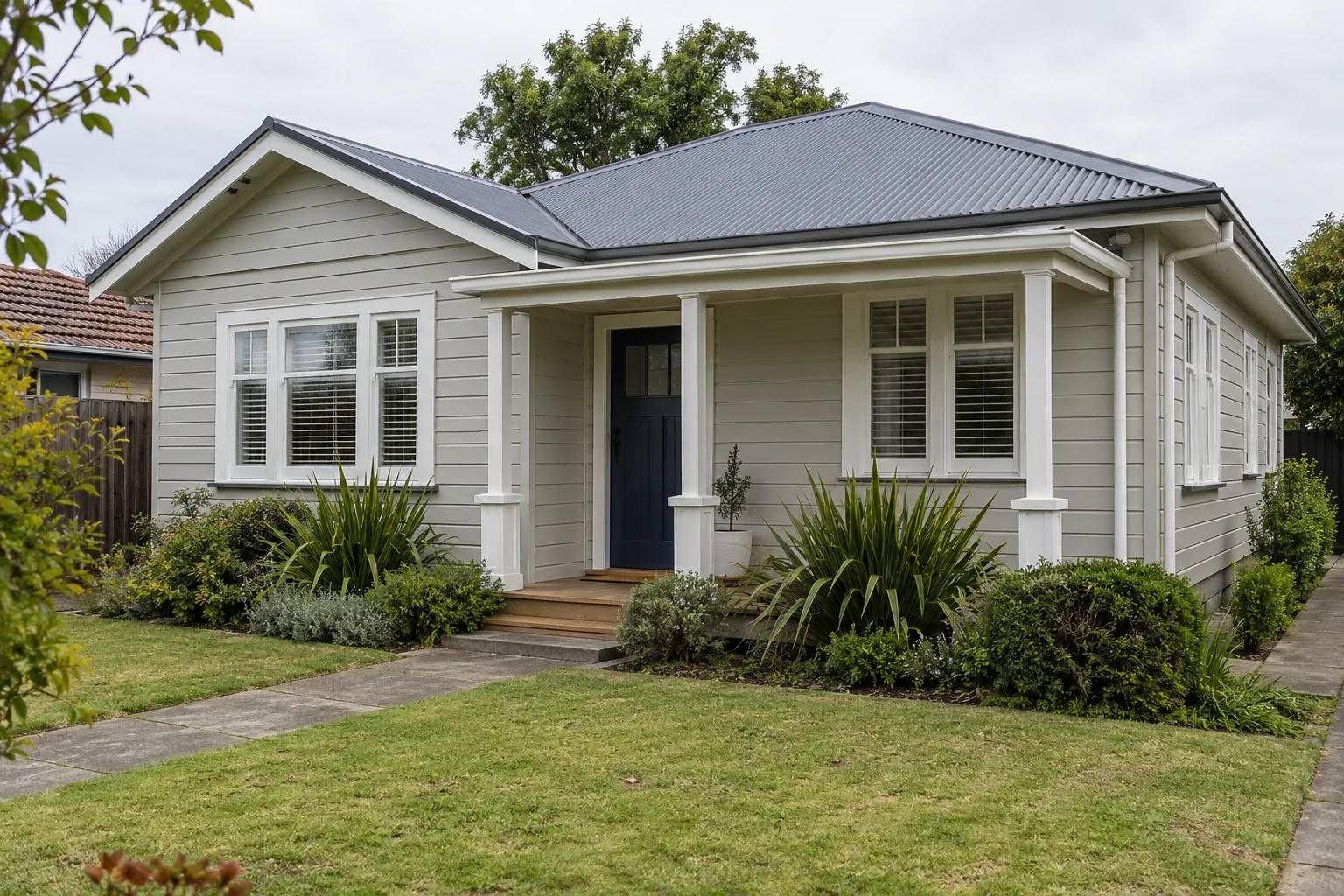
Exterior Painting
Weatherboards, plaster cladding, eaves and joinery, prepped for Auckland's weather.
Learn more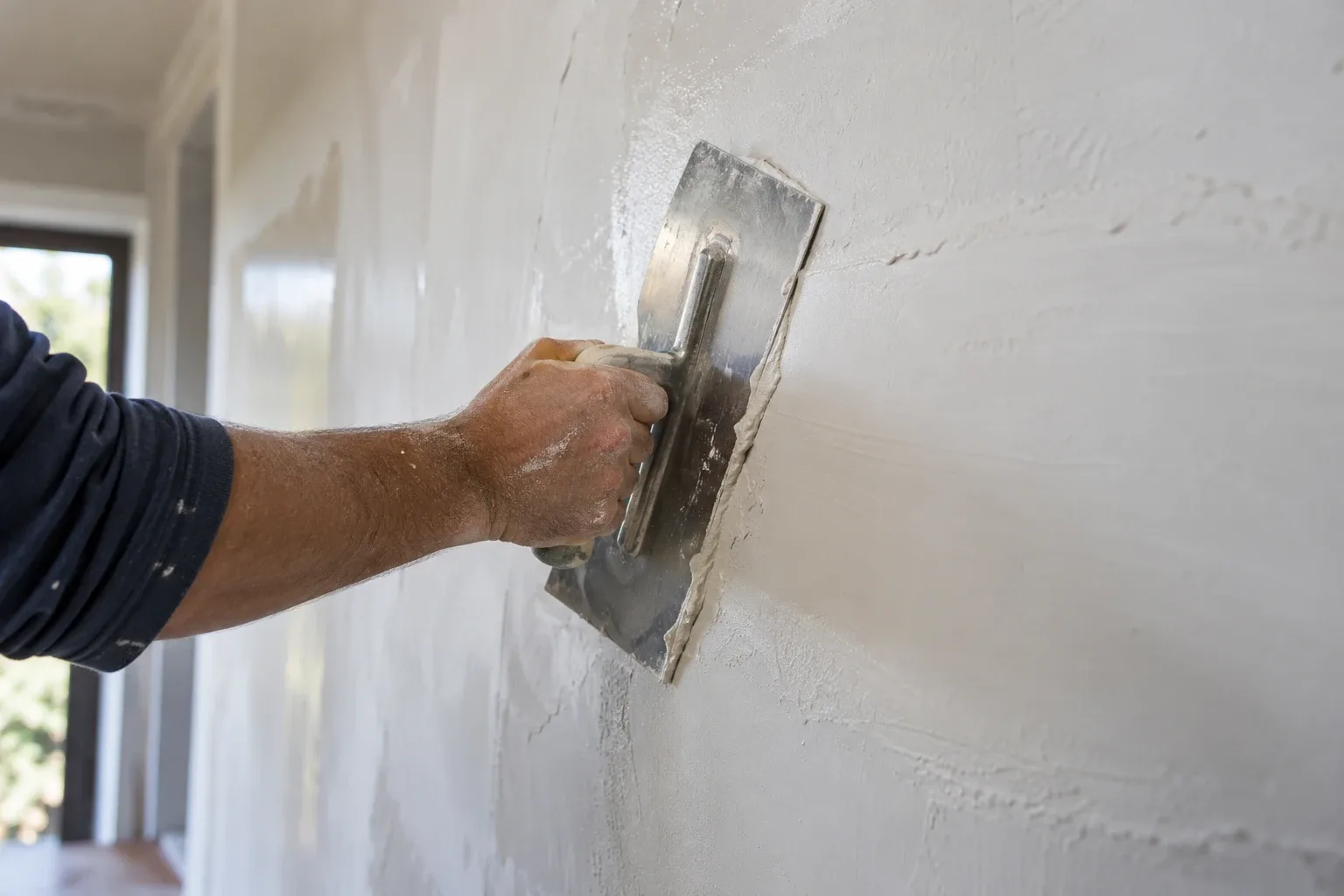
Plaster Repairs & Skim Coating
Holes, cracks, water damage and rough walls fixed and made smooth again.
Learn more
Get a quote for gib stopping & plastering
Tell us what needs doing. We'll come and look, then give you a written, itemised quote.